

Royal visit highlights landmark river restoration in northern Finland
Learn moreInstitutional Investments


Participating in the circular economy: the solar lifecycle
26/8/26
5 min
ESG
Insight

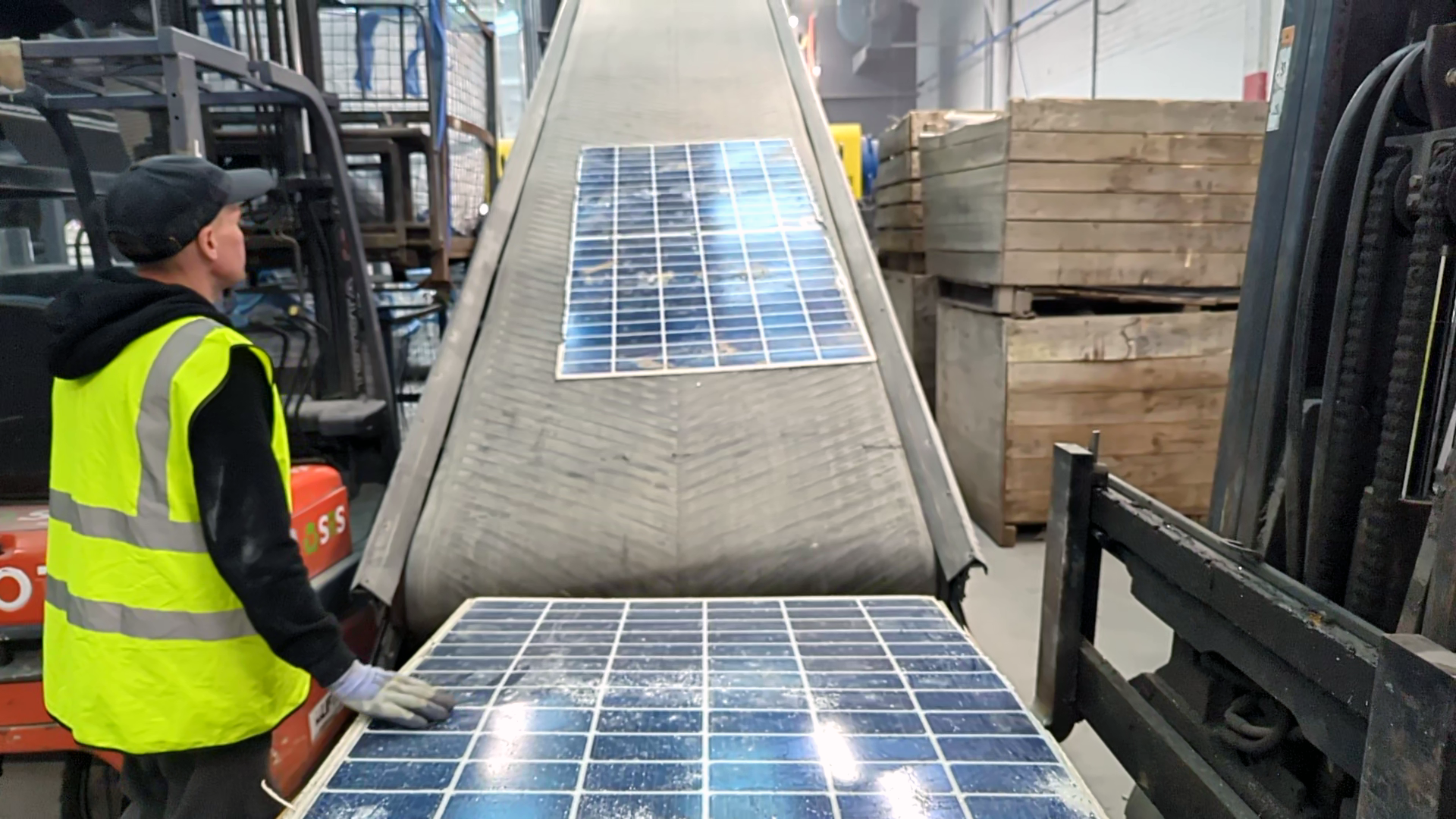
At Downing, responsible investment considerations influence how we manage assets across our renewable energy portfolio. For solar, this means ensuring our panels are responsibly sourced, managed and now recycled at the end of life.
Downing’s solar portfolio
Across our UK solar portfolio, we manage over 16,000 sites, ranging from ground-mounted farms to rooftop installations. We have further projects in development that are expected to drive substantial growth in installed capacity and panel deployment.
For our renewable portfolio, it is important for us to integrate ESG risk management into procurement and supply chain management utilising our Supplier ESG Risk Tool to assess sustainability and risk. To promote long-term portfolio development, we have entered into a strategic framework agreement with Trinasolar which has been assessed using our Supplier ESG Risk Tool.
However, responsible procurement is only one part of the process. As solar panels break down at the end of their life (typically 25-30 years) or from faults and wear and tear, it is our responsibility to manage end-of-life recycling sensibly.
Downing, as a responsible investor and asset manager, is working with a recycling facility that recycles over 90% of each solar panel that passes through the waste plant. We currently work with SRS - Solar Recycling Solutions (part of the UBH Group) as it allows us to keep materials in the economy - encouraging waste materials from our panels to be reused.
The recycling process
Recently, solar panels from select Downing solar farms in the south of the UK were sent to SRS to be recycled. These damaged and unusable panels have been replaced with more efficient upgrades to ensure better energy generation.
The recycling process of our panels is designed to separate key component materials so that they can be repurposed, helping to reduce waste and support the circular economy. In the plant, the panels went through several processes:
- Glass separation
- Silicon removal
- Plastic removal
- Metal removal
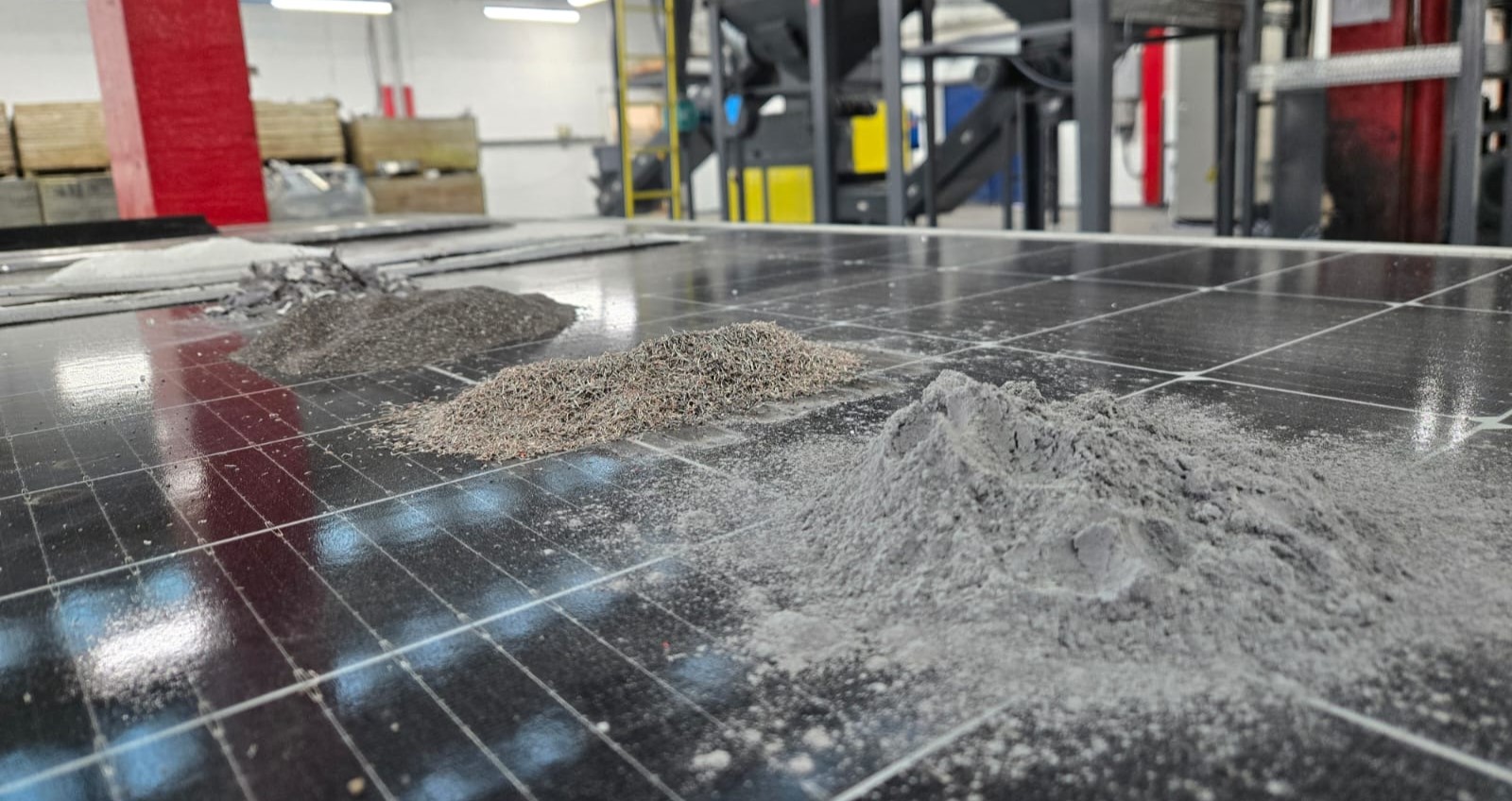
Each of these by-products is reprocessed for use in other applications in the UK economy. The glass is made into a cullet and then used to create windows; the silicon - no longer of sufficient quality for new solar panels is used in other technologies like mobile phones; the plastic can be repurposed for durable items like traffic cones and buckets.
Setting high standards
End-of-life treatment for solar panels remains a developing area, with many panels ending up in landfills across the UK. Recycling these complicated and multi-layered panels can be a difficult and fairly expensive process to run.
Nevertheless, ensuring panels are recycled to the fullest extent possible is important to support circular economy and the principles of responsible investment.
Moreover, at Downing, we only look to recycle panels at the end of their life. If a panel still provides output within the required range, we look to redistribute it for use elsewhere in our portfolio, utilising our technology until it no longer serves its purpose.
As investors in energy infrastructure, responsible asset management extends beyond construction and operation. It also includes planning for replacement and end-of-life treatment in a way that supports both environmental outcomes and robust portfolio management.
Learn more about our responsible investment approach.
Share


Contents
See full contents

At Downing, responsible investment considerations influence how we manage assets across our renewable energy portfolio. For solar, this means ensuring our panels are responsibly sourced, managed and now recycled at the end of life.
Downing’s solar portfolio
Across our UK solar portfolio, we manage over 16,000 sites, ranging from ground-mounted farms to rooftop installations. We have further projects in development that are expected to drive substantial growth in installed capacity and panel deployment.
For our renewable portfolio, it is important for us to integrate ESG risk management into procurement and supply chain management utilising our Supplier ESG Risk Tool to assess sustainability and risk. To promote long-term portfolio development, we have entered into a strategic framework agreement with Trinasolar which has been assessed using our Supplier ESG Risk Tool.
However, responsible procurement is only one part of the process. As solar panels break down at the end of their life (typically 25-30 years) or from faults and wear and tear, it is our responsibility to manage end-of-life recycling sensibly.
Downing, as a responsible investor and asset manager, is working with a recycling facility that recycles over 90% of each solar panel that passes through the waste plant. We currently work with SRS - Solar Recycling Solutions (part of the UBH Group) as it allows us to keep materials in the economy - encouraging waste materials from our panels to be reused.
The recycling process
Recently, solar panels from select Downing solar farms in the south of the UK were sent to SRS to be recycled. These damaged and unusable panels have been replaced with more efficient upgrades to ensure better energy generation.
The recycling process of our panels is designed to separate key component materials so that they can be repurposed, helping to reduce waste and support the circular economy. In the plant, the panels went through several processes:
- Glass separation
- Silicon removal
- Plastic removal
- Metal removal
Each of these by-products is reprocessed for use in other applications in the UK economy. The glass is made into a cullet and then used to create windows; the silicon - no longer of sufficient quality for new solar panels is used in other technologies like mobile phones; the plastic can be repurposed for durable items like traffic cones and buckets.
Setting high standards
End-of-life treatment for solar panels remains a developing area, with many panels ending up in landfills across the UK. Recycling these complicated and multi-layered panels can be a difficult and fairly expensive process to run.
Nevertheless, ensuring panels are recycled to the fullest extent possible is important to support circular economy and the principles of responsible investment.
Moreover, at Downing, we only look to recycle panels at the end of their life. If a panel still provides output within the required range, we look to redistribute it for use elsewhere in our portfolio, utilising our technology until it no longer serves its purpose.
As investors in energy infrastructure, responsible asset management extends beyond construction and operation. It also includes planning for replacement and end-of-life treatment in a way that supports both environmental outcomes and robust portfolio management.
Learn more about our responsible investment approach.
Share
At Downing, responsible investment considerations influence how we manage assets across our renewable energy portfolio. For solar, this means ensuring our panels are responsibly sourced, managed and now recycled at the end of life.
Downing’s solar portfolio
Across our UK solar portfolio, we manage over 16,000 sites, ranging from ground-mounted farms to rooftop installations. We have further projects in development that are expected to drive substantial growth in installed capacity and panel deployment.
For our renewable portfolio, it is important for us to integrate ESG risk management into procurement and supply chain management utilising our Supplier ESG Risk Tool to assess sustainability and risk. To promote long-term portfolio development, we have entered into a strategic framework agreement with Trinasolar which has been assessed using our Supplier ESG Risk Tool.
However, responsible procurement is only one part of the process. As solar panels break down at the end of their life (typically 25-30 years) or from faults and wear and tear, it is our responsibility to manage end-of-life recycling sensibly.
Downing, as a responsible investor and asset manager, is working with a recycling facility that recycles over 90% of each solar panel that passes through the waste plant. We currently work with SRS - Solar Recycling Solutions (part of the UBH Group) as it allows us to keep materials in the economy - encouraging waste materials from our panels to be reused.
The recycling process
Recently, solar panels from select Downing solar farms in the south of the UK were sent to SRS to be recycled. These damaged and unusable panels have been replaced with more efficient upgrades to ensure better energy generation.
The recycling process of our panels is designed to separate key component materials so that they can be repurposed, helping to reduce waste and support the circular economy. In the plant, the panels went through several processes:
- Glass separation
- Silicon removal
- Plastic removal
- Metal removal
Each of these by-products is reprocessed for use in other applications in the UK economy. The glass is made into a cullet and then used to create windows; the silicon - no longer of sufficient quality for new solar panels is used in other technologies like mobile phones; the plastic can be repurposed for durable items like traffic cones and buckets.
Setting high standards
End-of-life treatment for solar panels remains a developing area, with many panels ending up in landfills across the UK. Recycling these complicated and multi-layered panels can be a difficult and fairly expensive process to run.
Nevertheless, ensuring panels are recycled to the fullest extent possible is important to support circular economy and the principles of responsible investment.
Moreover, at Downing, we only look to recycle panels at the end of their life. If a panel still provides output within the required range, we look to redistribute it for use elsewhere in our portfolio, utilising our technology until it no longer serves its purpose.
As investors in energy infrastructure, responsible asset management extends beyond construction and operation. It also includes planning for replacement and end-of-life treatment in a way that supports both environmental outcomes and robust portfolio management.
Learn more about our responsible investment approach.
Share
At Downing, responsible investment considerations influence how we manage assets across our renewable energy portfolio. For solar, this means ensuring our panels are responsibly sourced, managed and now recycled at the end of life.
Downing’s solar portfolio
Across our UK solar portfolio, we manage over 16,000 sites, ranging from ground-mounted farms to rooftop installations. We have further projects in development that are expected to drive substantial growth in installed capacity and panel deployment.
For our renewable portfolio, it is important for us to integrate ESG risk management into procurement and supply chain management utilising our Supplier ESG Risk Tool to assess sustainability and risk. To promote long-term portfolio development, we have entered into a strategic framework agreement with Trinasolar which has been assessed using our Supplier ESG Risk Tool.
However, responsible procurement is only one part of the process. As solar panels break down at the end of their life (typically 25-30 years) or from faults and wear and tear, it is our responsibility to manage end-of-life recycling sensibly.
Downing, as a responsible investor and asset manager, is working with a recycling facility that recycles over 90% of each solar panel that passes through the waste plant. We currently work with SRS - Solar Recycling Solutions (part of the UBH Group) as it allows us to keep materials in the economy - encouraging waste materials from our panels to be reused.
The recycling process
Recently, solar panels from select Downing solar farms in the south of the UK were sent to SRS to be recycled. These damaged and unusable panels have been replaced with more efficient upgrades to ensure better energy generation.
The recycling process of our panels is designed to separate key component materials so that they can be repurposed, helping to reduce waste and support the circular economy. In the plant, the panels went through several processes:
- Glass separation
- Silicon removal
- Plastic removal
- Metal removal
Each of these by-products is reprocessed for use in other applications in the UK economy. The glass is made into a cullet and then used to create windows; the silicon - no longer of sufficient quality for new solar panels is used in other technologies like mobile phones; the plastic can be repurposed for durable items like traffic cones and buckets.
Setting high standards
End-of-life treatment for solar panels remains a developing area, with many panels ending up in landfills across the UK. Recycling these complicated and multi-layered panels can be a difficult and fairly expensive process to run.
Nevertheless, ensuring panels are recycled to the fullest extent possible is important to support circular economy and the principles of responsible investment.
Moreover, at Downing, we only look to recycle panels at the end of their life. If a panel still provides output within the required range, we look to redistribute it for use elsewhere in our portfolio, utilising our technology until it no longer serves its purpose.
As investors in energy infrastructure, responsible asset management extends beyond construction and operation. It also includes planning for replacement and end-of-life treatment in a way that supports both environmental outcomes and robust portfolio management.
Learn more about our responsible investment approach.
Please fill out the form to download the full report
Share
Sign up to stay up to date with the latest insights and investment opportunities
Learn more





Downing LLP does not provide advice or make personal recommendations and investors are strongly urged to seek independent advice before investing. Investments offered on this website carry a higher risk than many other types of investment and prospective investors should be aware that capital is at risk and the value of their investment may go down as well as up. Any investment should only be made on the basis of the relevant product literature and your attention is drawn to the risk, fees and taxation factors contained therein. Tax treatment depends on individual circumstances of each investor and may be subject to change in the future. Past performance is not a reliable indicator of future performance. Downing LLP is authorised and regulated by the Financial Conduct Authority (Firm Reference Number 545025). Registered in England No. OC341575. Registered Office: Downing, 10 Lower Thames Street, London, EC3R 6AF.
VAT Number: 112 940 149